
Sirhind Fatehgarh is a town in Punjab that is well-known for its robust past and the sacred importance it amasses for the Sikh community. Furthermore called Gurumaari, this town has been colonized for a long time and the numerous notable buildings that exist tall till today are evidence of that.
In this story26 sections
- History of Sirhind
- Places to Visit in Fatehgarh Sahib-
- Gurudwara Fatehgarh Sahib
- Gurudwara Jyoti Sarup
- Sanghol
- Gurudwara Shaheed Ganj
- Aam Khas Bagh
- Sant Namdev Temple
- Mata Chakreshwari Devi Jain Temple
- Rauza Sharif
- Floating Restaurant
- Ustad Di Mazar
- Mosque of Sadhana Kasai
- Shaheedi Jor Mela: Fatehgarh Sahib in late December
- What it remembers
- What happens during the Jor Mela
- Visiting during the Jor Mela
- How to Reach Fatehgarh Sahib
- By Train
- By Air
- By Road
- The Best Time to Visit Fatehgarh Sahib
- Frequently asked questions
- When is the Shaheedi Jor Mela at Fatehgarh Sahib?
- Why is the Jor Mela held?
- Can non-Sikhs visit Fatehgarh Sahib during the Jor Mela?
Situated between Ludhiana and Ambala, Fatehgarh Sahib is one of the holiest towns for Sikhs on the globe. It furthermore retains a robust past and a cultural tradition of inclusion and diversity.
The leaders of this region battled courageously against invaders, and the multiple forts and defenses in the town are evidence of the military and strategic significance of this town.
Today, Fatehgarh Sahib is an extremely significant traveller destination in Punjab and has multiple forts, museums, Gurudwaras, and gardens that each have an intriguing past.
History of Sirhind
The 2 young sons of Sikh Guru Gobind (Tenth Guru of Sikhs) were brutally murdered at this Fatehgarh Sahib, during the regime of Wazir Khan. As per the Sikh system, the 2 sons of Guru were shut in alive in a fort wall at Fatehgarh.
Though, after the passing of Guru Gobind Singh, Banda Bahadur intruded on Fatehgarh Sahib and murdered Wazir Khan during the 1710.
Also, the treasure later was allotted among the needy people and for the renovation task of sacred places in Amritsar. Due to its heartbreaking past, no Sikh emperor wished to acquire the town.
Later on the emperor of Patiala Karam Singh constructed a Gurudwara in the remembrance of Guru’s young sons. Also, King Karam Singh furthermore changed the title of the location from Sirhind to the new Fatehgarh Sahib.
Places to Visit in Fatehgarh Sahib-
Gurudwara Fatehgarh Sahib
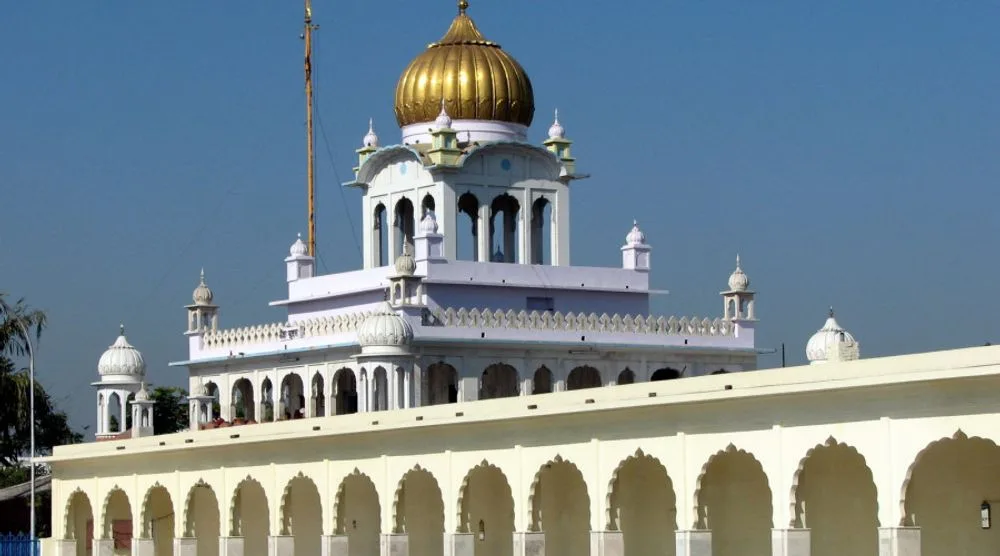
Gurudwara Fatehgarh Sahib, located on the Sirhind-Morinda Road, is a significant divine place for Sikhs. It is reckoned that in the year 1704, Sahibzada Fateh Singh and Sahibzada Zorawar Singh, sons of Guru Gobind Singh Ji, shut-in alive in a fort wall as ordered by Wazir Khan, the Faujdar of Sirhind. This Gurudwara was constructed to honor their sacrifice.
The entrance gate is designed using white stones and guides to a white marble trail. The primary structure of the Gurudwara boasts of conventional Sikh architecture with white stone layouts and golden domes. The peace and tranquility rub on to travellers and gives them an opportunity to witness an absolutely notable location.
Gurudwara Jyoti Sarup
This Gurudwara is situated on the Sirhind-Chandigarh road and is approximately a kilometer away from Fatehgarh Sahib. It honors the cremation of the mother of Guru Gobind Singh Ji, Mata Gujri, along with his two minor sons, Sahibzada Fateh Singh and Sahibzada Zorawar Singh.
Out of fear of Wazir Khan, the Faujdar of Sirhind, nobody would give land for the cremation of the martyrs. Wazir Khan allowed it only if the land was bought by covering it with gold coins. Diwan Todar Mal, a wealthy merchant and devotee of Guru Gobind Singh Ji, paid that price, and the gurudwara stands on that land. His haveli still survives in the town. The white layouts and domes are highlights of the Gurudwara.
Sanghol
Sanghol is well-known for its archaeological museum, which has keepsakes and artifacts of the Indus Valley Civilisation. Recognized as the Uchha Pind Sanghol, it is 18.9 km away from Fatehgarh Sahib.
It takes approximately 28 min to reach this location by road. Coins and emblems pertaining to Toramana and Mihirakula, emperors from Central Asia, have been found here. A Buddhist stupa was located in the year 1968 at this location. On the major road, travellers may furthermore be curious in a Buddhist stupa and a monastery complex of the 1st and 2nd century AD.
Gurudwara Shaheed Ganj
Gurudwara Shaheed Ganj is located inside the central region of the Gurudwara Fatehgarh Sahib. This Gurudwara was constructed to honor the cremation of 6000 Sikhs who were assassinated in the fighting against Muslims.
It is speculated that the major structure of the Gurudwara prevails on the similar ground that was utilized by Baba Banda Singh Ji Bahadur for the cremation. The tiny white structure of the Gurudwara looks peaceful against the background of Gurudwara Fatehgarh Sahib.
Aam Khas Bagh
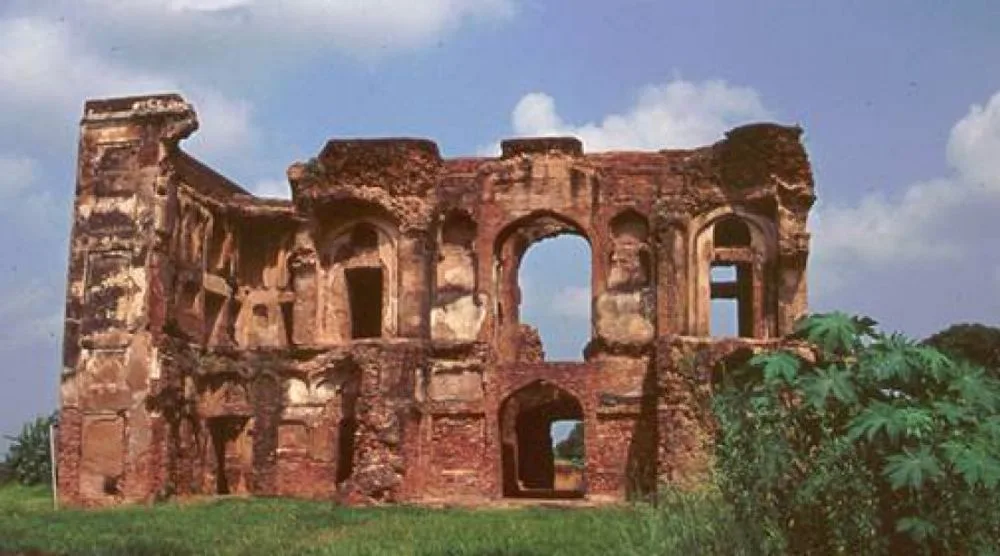
Aam Khas Bagh is the remains of the highway inn constructed by the popular Mughal emperor Babur. Later, it was rebuilt by Shah Jahan as many nobility lived here, on their way to Lahore. Sarad Khana, an air conditioning structure in the Aam Khas complex is worthy of praise.
The Hamam is furthermore skillfully planned with unique terracotta channels in the underground for heating water. Yearly, at the time of Shaheedi Jor Mela, a light and sound play named Sirhind Di Deewar is organized here. This event is a must-watch for travellers as it illustrates the past of the Sikh martyrdom in a fascinating way.
Sant Namdev Temple
This Temple is located in Bassi Pathana, which is 6 km away from the city of Fatehgarh Sahib. Devoted to Sant Namdev, this temple has robust sacred devotees in the region.
Sant Namdev inhabited in Maharashtra and reached to Punjab during one of his journeys. This place was formerly recognized as Swami Namdev Ji Ka Dera.
The current day layout of the temple was constructed in the year 1925. This temple captivates a bunch of believers every year, particularly during the three-day carnival at the time of Basant Panchami.
Mata Chakreshwari Devi Jain Temple
This Temple is situated on the Sirhind-Chandigarh road, in a town named Attewali. The tale of Mata Chakreshwari Devi dates back to the period of Raja Prithvi Raj Chauhan.
It is a prominent belief that few pilgrims were wandering to the Jain temple in bullock wagons and on the way, they acquired a Mata Chakreshwari Devi idol, who was a loyal believer of Lord Adinath.
After resting for the night, when the pilgrims attempted to move the wagon in which the idol of Mata was held, it did not shift. Every year on the fourth day after Dusshera, a sacred event is carried here, which is visited by multiple believers.
Rauza Sharif
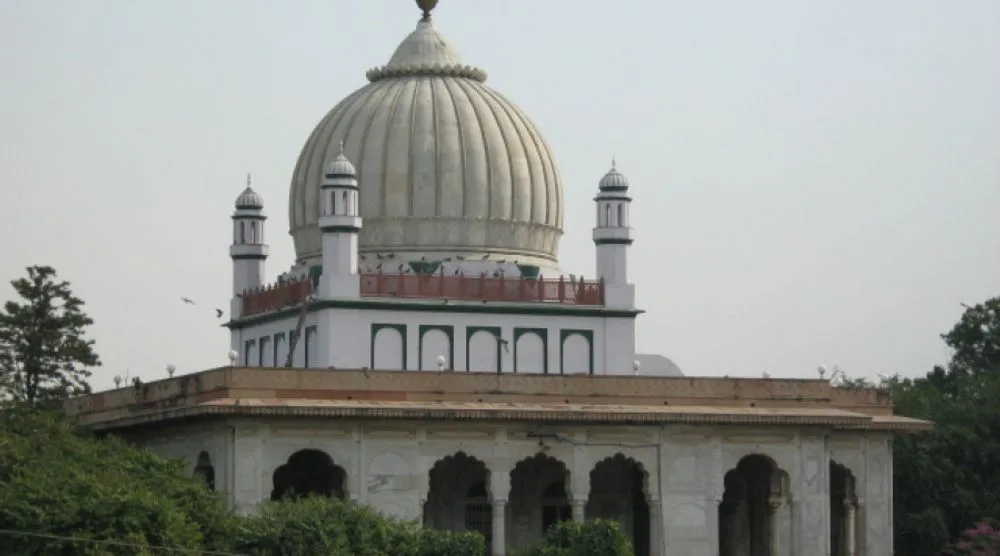
Rauza Sharif is considered as the second Mecca for Sunni Muslims. Located on the Sirhind-Bassi Pathana Road, it is devoted to Shaikh Ahmad Faruqi Sirhindi, who dwelled here between the period 1563 and 1624. This location features various tombs concerning to the family members of the Shaikh.
Apart from this, it furthermore has tombs of the Afghan emperor Shah Zaman and his Queen. This location with glorious arches and domes has been acknowledged as a historic monument by the Government of India.
Floating Restaurant
Floating Restaurant is a stunning layout floating on water. Located over the Sirhind Canal on the GT Road, it captivates a bunch of travellers owing to its individuality.
The floating containers, that encompass 8 suites and a restaurant, are specially prepared to survive water pressure of more than 8000 cusecs. This spot gives the building of an overnight stay to the visitors as it is located in a charming spot.
Ustad Di Mazar
Ustad Di Mazar is merely a kilometer away from the Shahgird Di Mazar. It houses the tomb of Ustad Syad Khan, a popular architect, and creator. An ideal illustration of the Mughal technique of architecture, this spot is certain to fascinate visitors.
This layout with an enormous dome has a huge corridor just above the tiny entrance. It is located close to Rauza Sharif which is regarded as the second Mecca by the Sunni Muslims.
Mosque of Sadhana Kasai
This Mosque has been acknowledged as a historical edifice by the Archaeological Survey of India. This mosque is devoted to Bhagat Sadhana, who is popularly recognized as Sadhana Kasai (Qasai).
He was a Muslim writer, saint, and mystic. His religious melodies have been comprised in the sacred book of Sikhs, Guru Granth Sahib. Prepared of regional Sirhindi bricks, this mosque boasts of wonderful Mughal architecture and T’ art paintings.
Shaheedi Jor Mela: Fatehgarh Sahib in late December
Every year, over three days in the last week of December (usually between 25 and 28 December), Fatehgarh Sahib holds the Shaheedi Jor Mela, one of the largest gatherings in the Sikh year. Since 2018 it has officially been called the Shaheedi Sabha. Despite the word “mela”, it is not a fair in the festive sense. It is a time of mourning and remembrance, and many families in Punjab keep these days quiet.
What it remembers
The gathering remembers the Saka Sirhind of December 1704. After leaving Anandpur, Guru Gobind Singh Ji’s two youngest sons, Sahibzada Zorawar Singh and Sahibzada Fateh Singh, still small boys, were separated from their father along with their grandmother Mata Gujri. According to tradition they were betrayed by Gangu, a former servant of the household, and handed over to Wazir Khan, the Mughal Faujdar of Sirhind.
The three were held in the Thanda Burj, an open, cold tower, in the middle of winter. The boys were brought to court and asked to give up their faith; they refused, and were put to death. Mata Gujri died soon after. Gurudwara Fatehgarh Sahib stands at the place of their martyrdom, Gurudwara Mata Gujri (Thanda Burj) marks the tower, and Gurudwara Jyoti Sarup stands on the cremation ground that Diwan Todar Mal bought with gold coins. Since 2022, 26 December has also been observed across India as Veer Baal Diwas, in memory of the sahibzadas’ courage.
What happens during the Jor Mela
Sangat comes from all over Punjab and beyond to pay respects. There is continuous kirtan and path at the gurudwaras, a large nagar kirtan (procession) between the shrines, and free langar served at the gurudwaras and at stalls set up by villages and volunteers along the approach roads. The roads between Sirhind, Fatehgarh Sahib and Jyoti Sarup are full of people walking from one gurudwara to the next.
Visiting during the Jor Mela
- Respect: cover your head, take off your shoes, wash your hands and feet before entering, and dress modestly. Avoid tobacco and alcohol anywhere near the shrines.
- Langar: accept it as it is offered, sitting with everyone else, and take only what you will eat.
- Crowds and traffic: expect very large crowds, closed roads and parking far from the shrines. Arrive early in the morning and be ready to walk.
- Cold: late December mornings and nights in Punjab are cold and often foggy. Carry warm layers and a shawl, and allow extra time on the road.
- Photos: be discreet, and do not photograph people at prayer without asking.
- Dates: the exact days are announced each year by the SGPC and the district administration, so check before you travel.
If you would like to see Fatehgarh Sahib and Sirhind with people who know the stories, see our Punjab journey.
How to Reach Fatehgarh Sahib
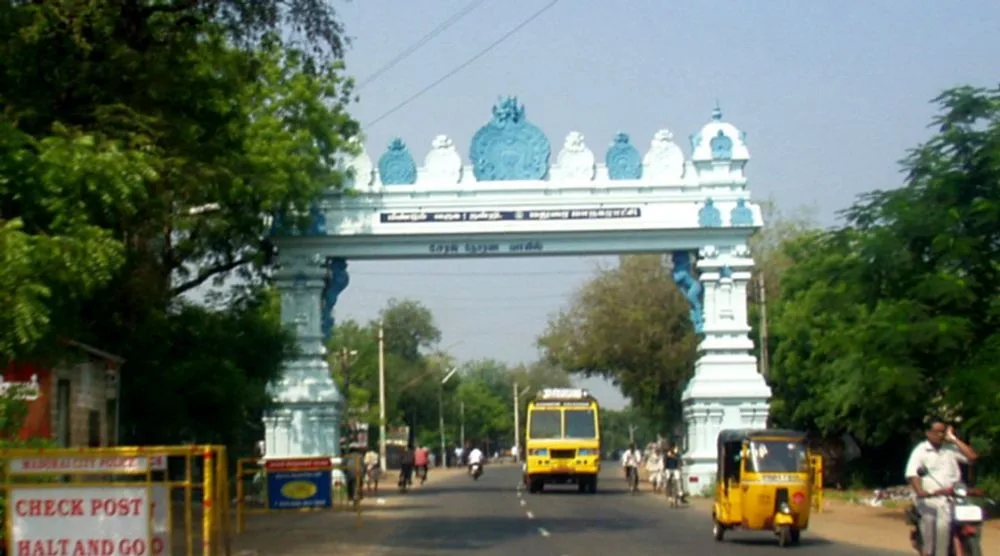
Fatehgarh Sahib is nicely linked to different major towns in the territory like Ludhiana, Amritsar, and Delhi.
By Train
There is a railway station in Fatehgarh Sahib. Another closest primary railway station to Fatehgarh Sahib is in Sirhind, which is merely 2.7 km away. Apart from this, the Fatehgarh Sahib station is situated on the Sirhind-Nangal railway line.
By Air
This place does not have an airport of its own, but travellers can take aviation up to Chandigarh or Amritsar. From Chandigarh, they can grab a bus or cab, which is roughly at the distance of 42.4 km.
By Road
Fatehgarh Sahib is nicely connected with different major cities of the state by road.
The Best Time to Visit Fatehgarh Sahib
The temperature in Fatehgarh sahib, Sirhind is beautiful for the maximum portion of the year except in Summers when it is extremely hot and dry. Travelers reach this town all year round through winter is the greatly preferred season due to the delightful weather.
Frequently asked questions
When is the Shaheedi Jor Mela at Fatehgarh Sahib?
It is held over three days in the last week of December, usually between 25 and 28 December. The exact dates are announced each year by the SGPC and the Fatehgarh Sahib district administration.
Why is the Jor Mela held?
It commemorates the martyrdom of Sahibzada Zorawar Singh and Sahibzada Fateh Singh, the two youngest sons of Guru Gobind Singh Ji, and of their grandmother Mata Gujri at Sirhind in December 1704.
Can non-Sikhs visit Fatehgarh Sahib during the Jor Mela?
Yes. Everyone is welcome at the gurudwaras and at langar. Cover your head, remove your shoes, dress modestly and remember that it is a time of mourning, not a celebration.